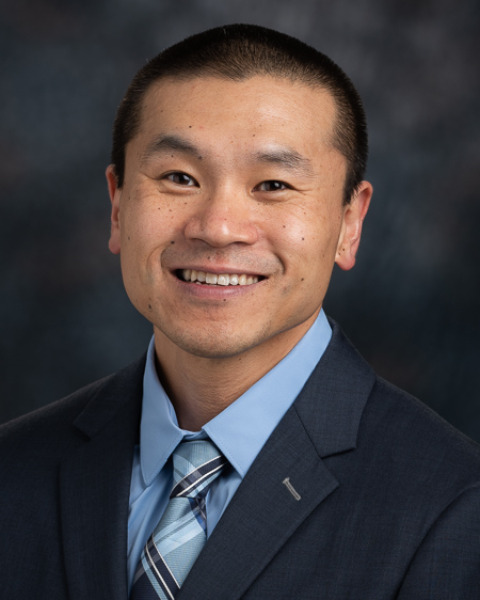
Professor with Tenure University of Texas Health Sciene Center at Houston Houston, Texas
Understanding the aspects of nerve reconstruction in maxillofacial patients begins with recognizing mechanisms of trigeminal and facial nerve injuries, followed by accurate classification and neurosensory testing. This program will guide attendees through evidence-based technique to nerve repair, focing on three nerves commonly encountered in practice: inferior alveolar nerve, lingual nerve and facial nerve. Topics include timing of repair, methods of repair and outcomes. The presentation will conclude with strategies to manage the patient in the postoperative setting to achieve the best outcome as well as protocols for addressing complications when they arise.
Learning Objectives:
At the conclusion of this presentation, participants should be able to:
Explain the mechanism of injury, classification, nerve testing and technique achieve the best outcome for nerve repair.
Discuss the timing of repair of inferior alveolar nerve both in setting of iatrogenic injury and tumor ablation as well as demonstrate long-term outcomes.
Discuss timing for repair of lingual nerve both in the iatrogenic injury setting and tumor ablation as well as demonstrate long-term outcomes.
Describe facial nerve anatomy, access, classification of nerve injury and methods for dynamic and static reconstruction.
Discuss post-reconstruction therapy and how to access functional recovery as well as discuss complications that may arise and its management.