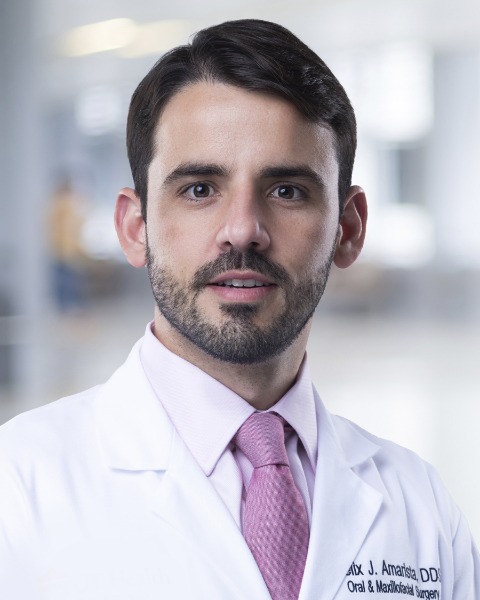
Associate Professor Medical University of South Carolina Charleston, South Carolina
Minimally invasive surgery has become a defining movement across surgical disciplines, aiming to decrease morbidity, accelerate recovery and improve patient-centered outcomes. In orthognathic surgery, the adoption of minimally invasive orthognathic surgery (MIOS) represents an important evolution, responding not only to technical advances but also to the growing emphasis on optimizing patient quality of life.
MIOS is characterized by smaller incisions, limited tissue dissection and reduced surgical morbidity, which translate into tangible benefits for patients. Beyond functional correction, MIOS has demonstrated advantages in esthetics and facial dynamics, including improved lip mobility, diminished nasal widening, refined jawline definition and a lower risk of neurosensory deficits. These improvements directly affect postoperative self-image, psychosocial well-being and long-term satisfaction.
This session will highlight not only the technical aspects of MIOS but, more importantly, the rationale for its use, emphasizing patient-reported outcomes, quality-of-life measures and long-term benefits. Attendees will gain a comprehensive understanding of how MIOS redefines success in orthognathic surgery by merging innovation with patient-centered care.
Learning Objectives:
At the conclusion of this presentation, participants should be able to:
Describe the advantages of minimally invasive orthognathic surgery.
Explain the rationale for minimally invasive orthognathic surgery and its impact on patient-reported outcomes.
Discuss the technical considerations and limitations of minimally invasive orthognathic surgery.
Compare patient outcomes after conventional orthognathic surgery versus minimally invasive orthognathic surgery.
Describe how patient-specific implants (PSI) can enhance accuracy in minimally invasive orthognathic surgery, even in complex cases.