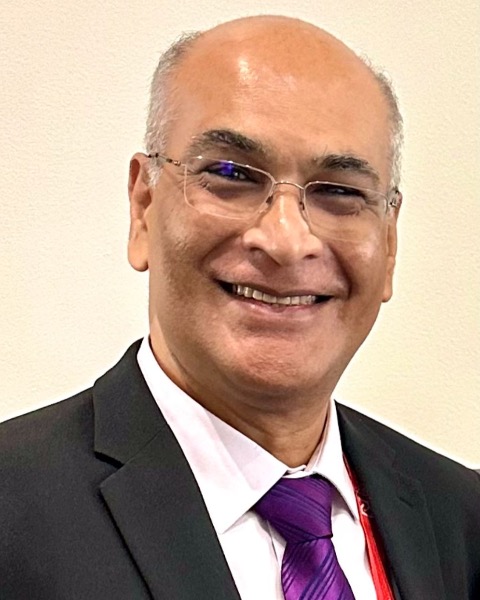
Professor and Head, Oral and Maxillofacial Surgery Department All India Institute of Medical Sciences New Delhi, Delhi, India
This session focuses on the unique challenges of reconstructing the temporomandibular joint in skeletally immature patients. It emphasizes the importance of accommodating ongoing craniofacial growth while restoring joint function, facial symmetry and airway space. The session discusses established and emerging surgical options, such as autogenous costochondral grafts known for their growth potential and newer alloplastic prostheses customized for pediatric patients. Key topics include patient selection, timing of surgery and strategies to prevent ankylosis and reduce complications. Postoperative management, including physiotherapy and long-term follow-up, is highlighted to optimize outcomes and monitor growth. Clinical case examples illustrate practical decision-making and surgical techniques. The session aims to provide a multidisciplinary framework that balances growth accommodation with functional and esthetic goals, preparing surgeons to effectively manage complex pediatric TMJ reconstructions. This comprehensive approach offers attendees valuable insights into evolving treatment modalities and future directions in pediatric TMJ surgery, ultimately enhancing patient care and long-term prognosis.
Learning Objectives:
At the conclusion of this presentation, participants should be able to:
Describe the unique challenges of TMJ reconstruction in growing patients, including considerations of ongoing craniofacial development.
List the indications and contraindications for TMJ reconstruction procedures in skeletally immature patients.
Compare costochondral grafts and alloplastic prostheses for pediatric use and identify goals of restoring mandibular function, facial symmetry and ankylosis prevention.
Formulate strategies to optimize long-term outcomes while minimizing complications and the need for revision surgery.
Analyze clinical case examples demonstrating decision-making, surgical planning and postoperative management.