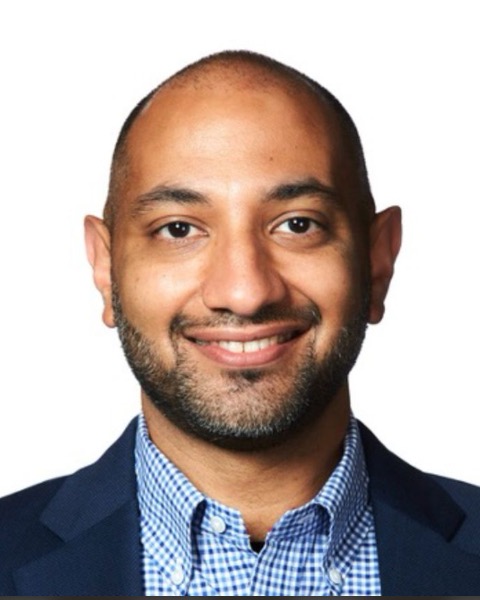
Professor LSUHSC - New Orleans Baton Rouge, Louisiana
This session will explore the role of bone grafting in orthognathic surgery, focusing on its effects on healing, stability and esthetic results. Although procedures like Le Fort I osteotomy, bilateral sagittal split osteotomy and genioplasty generally produce predictable outcomes, extensive advancements and inferior repositioning can result in bony gaps that hinder healing and raise the risk of relapse or contour irregularities. Bone grafting has been suggested as a way to promote better bone healing, maintain skeletal stability and reduce postoperative defects, but evidence supporting its routine use remains inconsistent. Through a thorough review of current research and expert discussion, this session will identify when grafting is indicated, the benefits and limitations of different grafting materials and the potential complications involved. The goal is to provide oral and maxillofacial surgeons with a practical framework for deciding when bone grafting is necessary, choosing suitable materials and balancing improved outcomes with possible risks and costs. Attendees will leave equipped with updated, evidence-based strategies to optimize both functional and esthetic results in orthognathic surgery.
Learning Objectives:
At the conclusion of this presentation, participants should be able to:
Describe the biological rationale for bone grafting in orthognathic surgery and its impact on healing, skeletal stability and esthetics.
Differentiate between grafting materials and techniques, recognizing their indications, advantages, limitations and potential complications.
Apply evidence-based decision-making to determine when bone grafting is appropriate in Le Fort I, BSSO and genioplasty.