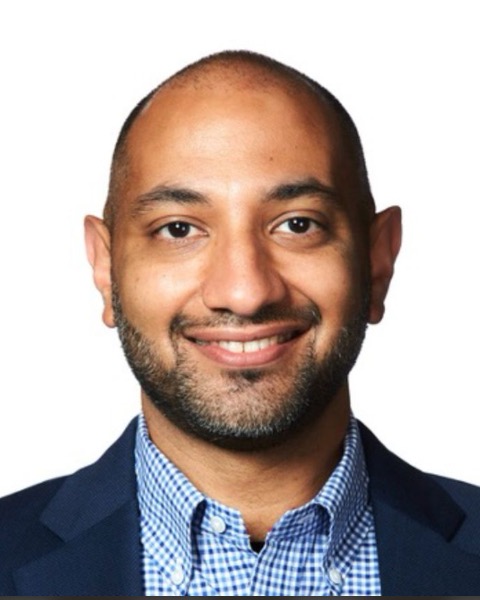
Professor LSUHSC - New Orleans Baton Rouge, Louisiana
This session will present a detailed overview of managing craniofacial fibrous dysplasia, focusing on strategies that tackle both functional and esthetic issues. Key topics will be covered, including the disease's natural history, identifying when to plan surgical intervention and using evidence-based methods to achieve the best patient outcomes. Attendees will learn about surgical options ranging from conservative contouring to resection and reconstruction in addition to the benefits of computer-assisted surgical planning and patient-specific implants. The session also will emphasize the importance of team-based care in addressing vision, airway and dental concerns as well as discuss the medical treatments in controlling the disease. This session aims to provide oral and maxillofacial surgeons with a practical framework for decision-making, empowering them to balance prompt intervention while reducing complications. By the end, participants will acquire a fresh understanding of best practices for managing craniofacial fibrous dysplasia and enhancing their patients' long-term functionality and quality of life.
Learning Objectives:
At the conclusion of this presentation, participants should be able to:
Describe the natural history, clinical presentation and progression patterns of craniofacial fibrous dysplasia.
Differentiate between observation, medical management and surgical approaches and identify appropriate indications for each.
Apply principles of surgical techniques to optimize functional and esthetic outcomes in patients with craniofacial fibrous dysplasia.