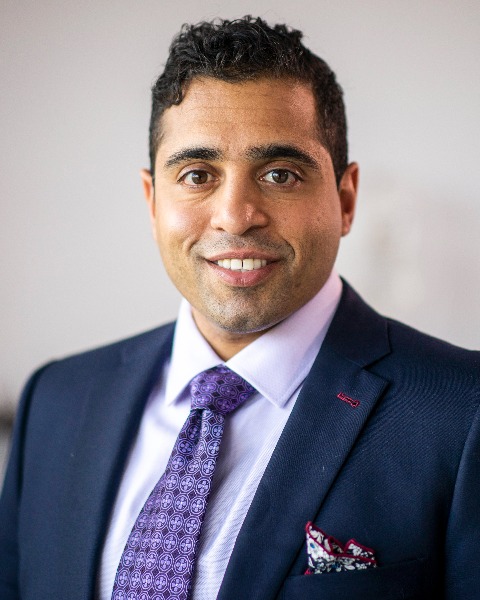




Surgeon Head & Neck Surgical Associates/Portland Oral and Facial Surgery Portland, Oregon
This session will explore how by using digital technologies, one can eliminate the temporary coping and the use of non-sterile dental materials required at the fibula donor site in the conventional Jaw in a Day technique. Instead, a direct-to-multi-unit prosthesis can be printed on-site or at a dental lab and then delivered to the operating room. The prosthesis is then simply screwed in with direct-to-MUA screws similar to the prosthesis in IPS Preprosthetic cases. The approach allows the surgeon to continue operating while the prosthesis is being fabricated, removes the need for a prosthodontist in the OR and maintains a sterile field at the fibula donor site. It also follows all regulatory instructions for use (IFUs) of the medical 510(k) cleared printer resins. Lastly, the approach removes the issues of inaccuracy between the VSP predicted implant position and final implant position. Since the final implant positions are transferred electronically to the lab, the prosthesis is virtually adjusted to fit passively. This allows any oral and maxillofacial surgeon to execute the scanning and delivery of the prosthesis, even if they are not performing the microvascular surgery and limits the time they are needed in the operating room.
Learning Objectives:
At the conclusion of this presentation, participants should be able to:
Describe various digital scanning technologies including photogrammetry, intraoral scanners and hybird analog-digital options (optisplint) for use with immediate dental rehabilitation with free tissue transfers of the maxilla and mandible.
Demonstrate the use of the technologies in the operating room in a sterile fashion.
Describe how to perform a digital scan, transfer to a dental lab in a HIPAA-compliant fashion and describe the steps to screw in the direct-to-MUA prosthesis.