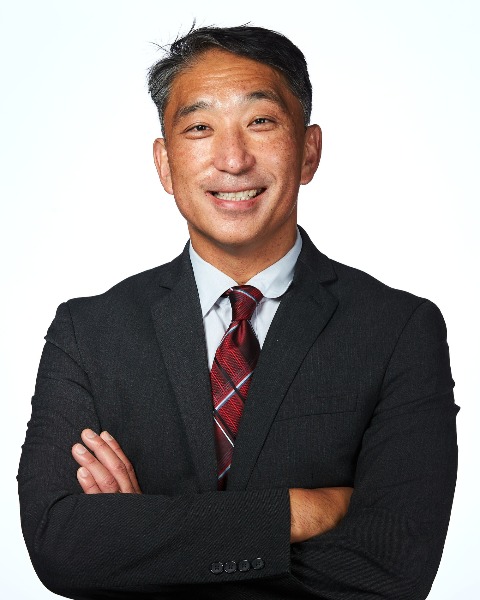
Clinical Professor Western University School of Health Sciences Orange, California
This presentation analyzes recent closed-claims cases in oral and maxillofacial surgery sedation, highlighting recurring pitfalls and safety lessons. The central theme is that the most dangerous sedative is not a single drug, but rather the combination "cocktail" administered to compromised patients when providers are complacent or overconfident. A recurring problem was inadequate or delayed airway management, including ineffective bag-mask ventilation, repeated failed intubation attempts, absence or late administration of paralytics, misplaced endotracheal tubes without capnographic confirmation, and unsuccessful surgical airways. The presentation emphasizes that paralysis, when used early and appropriately, can improve ventilation and LMA placement while excessive attempts at intubation often worsen outcomes. Best practices include prioritizing oxygenation over intubation, favoring LMAs as the first-line advanced airway, using video laryngoscopy when intubation is required and always confirming placement with capnography. Ultimately, the message is that sedation safety depends on tailoring care to patient risk, emphasizing reversibility and maintaining vigilance against routine complacency.
Learning Objectives:
At the conclusion of this presentation, participants should be able to:
Analyze real OMS sedation closed-claims cases to identify common patterns of medication misuse and airway management failures.
Demonstrate evidence-based strategies for managing airway emergencies, including timely use of paralytics, selection of supraglottic airways and confirmation of intubation with capnography.
Formulate individualized sedation plans that minimize risk by tailoring drug choice and dosing to patient comorbidities and avoiding “one-size-fits-all” protocols.