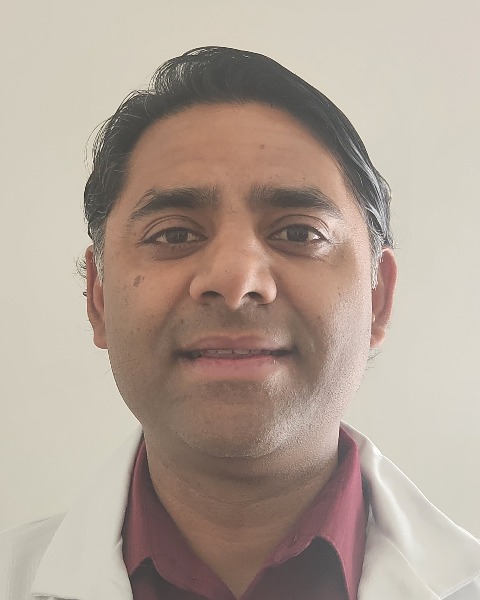
Associate Professor and Residency Program Director University of California San Franciso School of Dentistry Oakland, California
This lecture begins with a description of microassessments, which are short, contemporaneous assessments of learner performance on individual surgical procedures. These assessments include the type of procedure performed, the level of autonomy the learner had on the majority of the critical portion of the case, the level of performance on the case and the difficulty level. Data from these microassessments are compiled at both an individual level and a program level. This allows individual learners to compare their attending assessments to self-assessments and track progress over time. It allows programs to track areas of relative strength and weakness for the program. The speakers argue that this format is transformative in providing objective demonstration of practice readiness for surgical graduates or evidence of struggle for learners who may need more time or support to progress.
Learning Objectives:
At the conclusion of this presentation, participants should be able to:
Describe what a microassessment is and how it differs from a traditional learner assessment.
Understand the four Zwisch stages of surgical autonomy and how the terms guidance, autonomy and supervision differ from one another.
Detail qualitative experiences associated with one year of use of the SIMPL app for documentation of microassessments and their use in formative and summative assessments for residents.